
What we do
Electrical & Critical Power.
Power distribution and resilient electrical systems, from substations to final circuits.
16
Electrical projects in the register
33 kV
HT systems at 33, 22 and 11 kV
Transformers, LT switchgear and bus ducts
2N
A and B paths
UPS and battery rooms with hydrogen sensing, DG synchronisation
5 tiers
Of wire mesh containment at CtrlS HYD 141
LT feeders to 16 line ups, with rack whips and sockets
Our scope
What we deliver.
Power distribution from the HT intake to the final circuit.
Transformers and DG sets
UPS and power quality
Busduct, cabling and earthing
Lighting and small power
By industry
From the utility intake to the rack, the tool and the tenant.
Critical power
33, 22 and 11 kV HT systems, transformers, LT switchgear, bus ducts, 2N A and B paths, UPS and battery rooms with hydrogen sensing, DG synchronisation, HSD fuel systems.
Electrical and busduct
HT and LT distribution, transformers, switchgear, busduct, cables, lighting and earthing. Equipment connections, utility feeds and coordinated power routes.
Electrical and lighting
Clean power distribution, cleanroom lighting, containment and earthing installed to avoid vibration and particle shedding.
Electrical
HT and LT distribution, substations, DG sets and lighting for terminals, offices and academic blocks.
Explore the systems
A closer look.
High tension to low tension distribution: 33/22/11 kV systems, transformers, LV switchgear and the cable management that ties them.
Explore HT & LT DistributionOn our projects
Electrical scope across our projects.
The scope we hold for this service on each project, as stated in its scope of work.
Data centres
CtrlS DC6 and 7Mahape, Navi Mumbai
HT floor distribution and CSS connections. LT feeders, submains and rack power. Installation of free issue switchgear, DG, UPS, batteries and PDUs. Lighting, earthing, bonding and cable containment.
25% illustrative
CtrlS HYD 141Chandanvelly, Hyderabad
HT tie and CSS cables; LT power distribution to UPS, PDUs, cooling equipment and racks. Free issue panel installation. Lighting, DBs, earthing and multilevel cable containment.
31% illustrative
AdaniConneX HYD 22 and 23Hyderabad
Equipment feeder cabling and motor connections within the HYD23 HVAC package. This allocation covers HVAC electrical works.
3% illustrative
Anant Raj CloudManesar, Haryana
HVAC fan panels and MCCs, power cables and trays. Chiller terminations, double earthing and bonding. Electrical scope is associated with the HVAC package.
5% illustrative
STT GDC NMDC01MIDC Mahape, Navi Mumbai
Power terminations to HVAC and precision cooling equipment at the agreed supply boundary.
3% illustrative
STPI MohaliMohali, Punjab
415 V HVAC panels, variable frequency drives, armoured cabling, cable trays and GI earthing. Motor shutdown interfaces to fire signals.
7% illustrative
Semiconductor and industrial
FoxconnDevanahalli, Bengaluru
Electrical distribution and equipment connections across the awarded work orders. Power, cabling and energisation interfaces for manufacturing and support areas.
19% illustrative
Tata Electronics, DholeraDholera, Gujarat
HDPE conduits and duct pipes for underground electrical routes. Coordinate duct banks and supports with the assigned civil works. No separate power distribution percentage is established.
Duct bank piping
Tata Electronics, JagiroadJagiroad, Assam
HVAC starter panels, VFDs, power/control wiring and associated earthing and cable trays in the separately identified electrical sections.
3.3% of BOQ value
JSW MotorsSambhajinagar
Transformers, HT/LT panels, scheduled cables and terminations, cable trays, earthing and equipment connections within the electrical package.
10.4% of BOQ value
Commercial and residential
IKEA / INGKA CentreNoida, Uttar Pradesh
Electrical distribution, lighting, cabling, earthing and equipment connections. Scheduled PV solar works across the basement, retail and common areas.
32% illustrative
Prestige BKC 101BKC, Mumbai
Power distribution, cabling, lighting, earthing and bonding. Installation and connection of identified client supplied electrical equipment.
26% illustrative
World Trade CentreGurugram, Haryana
LT cables, cable trays and raceways, point wiring in conduit, earthing and lightning protection, statutory approvals.
31% of basic contract value
Public and institutional
Mopa AirportGoa
Electrical works within the completed airport MEPF package, with equipment and building system connections.
30% illustrative
Electrical scope as stated for each project. Shares marked illustrative show scope, not contract value, quantities or progress.
Methods and DfMA
Controlled methods for critical power.
2N electrical distribution and A and B path segregation
Critical white space power distribution
Emergency power transfer, synchronisation and recovery
Data centre earthing, bonding and power quality
Electrical, high fit
Multi tier cable containment, busway sections, power skids and earthing assemblies.
L3 system start up
Powered tests of pumps, fans, VRF, AHUs, DG sets and panels against design.
How we deliver
One method on every project, from kick off to handover.
Seven parts from award to handover, with project controls and HSE and quality running through all of them.
24 hours
Kick off pack
From the kick off meeting to the pack reaching you
3 weeks
Rolling look ahead
Work fronts, labour, material and permits
10 days
Mobilisation
Anywhere in India, and 3 days in the National Capital Region
L1 to L5
Commissioning levels
Each signed off before the next begins
Project controls and monitoringBaseline programme, daily and weekly reports, three week look ahead and monthly review, measured by head office
HSE and qualityMethod statement and risk assessment before every activity, inspection at every stage, audits every two months
Throughout
Part 1 of 7
Kick off
Within 24 hours of the kick off meeting you receive one pack that sets out scope, people, dates and how we will report.
- 1
Award handover
Sales hands the award to the project team within 24 hours, in one folder.
- 2
Project plan
Programme, manpower, procurement and drawing plans, approved before anything is released.
- 3
Kick off meeting
Your team and ours agree scope, interfaces, dates and reporting.
- 4
Kick off pack
Sent to you within 24 hours of the meeting.
- 5
Weekly targets
Issued to every team each week from then on.
What you get in the kick off pack
Scope and interface matrix
Who does what at every boundary with other contractors
Baseline programme
Milestones tied to your handover sequence
TDS and procurement tracker
Every submittal and order against its need date
Drawing tracker
Every sheet with its submission and approval status
Communication and escalation matrix
Named contacts, and who to call when something is stuck
Organogram and manpower plan
The site team by name, and labour by trade and month
When
- 24 hours
From award to handover inside our team
- 2 to 3 days
To prepare the project plan
- 24 hours
From the kick off meeting to the pack reaching you
Also in the pack: risk register, HSE plan, quality plan with inspection and test plans, document register, and the bank guarantee and insurance tracker.
Part 2 of 7
Design and drawings
An in house team of 50 design engineers, BIM coordinators and modellers turns the tender design into coordinated drawings the site can build from.
- 1
Analyse
Tender drawings, specification and BOQ studied; gaps raised as RFIs.
- 2
Service drawings
A drawing file prepared for each service.
- 3
Coordinate
All services combined in one model and clashes resolved.
- 4
Check
Internal QA/QC of every drawing before it is submitted.
- 5
Issue
Submitted for approval, then issued to site as good for construction.
What you get
Drawing tracker
Every sheet: planned, submitted, approved and issued
Coordinated shop drawings
Every service coordinated on one set
BIM model and clash reports
A coordinated model for every model led project
RFI log
Every query with its date raised and date answered
Fabrication drawings
Spool drawings and cut lists for prefabricated work
As built drawings
Updated from site records and compiled at handover
When
- Weekly
Drawing targets set and reviewed
- Same day
RFIs logged and sent, and replies distributed
Part 3 of 7
Procurement
Procurement is 60 to 70 percent of project cost, so every order is placed from head office and tracked against the date the site needs it.
- 1
Submittal
Technical data sheet format agreed within 3 days; submittals follow the weekly target.
- 2
Approval
Your approval tracked item by item, with samples where specified.
- 3
Order
Placed at head office against a rate library and annual rate contracts.
- 4
Expedite
Deliveries chased every week; factory tests witnessed on critical packages.
- 5
Receive
Inspected on delivery; only accepted material is issued to work.
What you get
TDS tracker
Every submittal with make, status and approval date
Procurement tracker
Every item with order date and delivery against need date
Factory acceptance tests
Before dispatch of chillers, switchgear, UPS and pumps
Material inspection requests
Raised for every delivery, with test certificates
Approved makes
Standing relationships with the makes consultants specify
Expediting
Dispatch chasing from a dedicated expediting desk
Purchase order released in
- 1 week
Bulk items
- 2 to 4 weeks
Mid lead items
- 1 to 2 months
Equipment
A team of 35 in purchase, procurement and stores.
Part 4 of 7
Mobilisation
Site office, supervision and the first workforce within three days in the National Capital Region and ten days anywhere in India.
- 1
Site team
Staff transferred or hired within 2 weeks; key staff put to you for approval.
- 2
Site set up
Site taken over; site office and stores set up.
- 3
Compliance
Insurance, registrations and labour compliance before anyone enters.
- 4
Tools and plant
Tools, tackles and machinery mobilised and inspected.
- 5
Induction
Every worker inducted and issued PPE before the first day of work.
What you get
Organogram
The site team by name, with key staff for your approval
Manpower histogram
Planned labour by trade and month
Mobilisation checklist
Office, stores, tools and plant confirmed before work starts
Insurance and guarantee tracker
Policies and bank guarantees with their expiry dates
Site HSE plan
Site specific, prepared by the HSE officer
Labour compliance
Registrations and records in place before workers enter
When
- 3 days
Site office, supervision and first workforce in the National Capital Region
- 10 days
The same anywhere in India
- 2 weeks
Site staff deployed, or it is escalated
Four delivery clusters: North, West, South and East.
Part 5 of 7
Site execution
Work starts on a front only when everything it needs is in place, and each stage is inspected and recorded before the next.
- 1
Look ahead
Weekly plan of fronts, labour and material.
- 2
Work front
Front taken over; a blocked front is reported within 24 hours.
- 3
Readiness check
Six things confirmed before the activity starts.
- 4
Install
Our own engineers and supervisors on every front.
- 5
Inspect
Internal check first, then an inspection request to you.
- 6
Record
Progress recorded daily; joint measurement for billing.
No activity starts without
Good for construction drawing
Approved and issued through document control
Accepted material
Inspected and accepted on delivery
Method statement and risk assessment
Approved for the activity and briefed to the crew
Manpower
An inducted crew with its supervisor
Tools and plant
Inspected every month
Permit to work
Raised before work starts
When
- Every shift
Toolbox talk before work begins
- Daily
HSE inspection and progress record
- Weekly
Look ahead plan issued to site and vendors
170 engineers, supervisors and foremen in site execution, with more than 2,500 labour on roll and through vendors.
Part 6 of 7
Testing and commissioning
Five levels, each signed off and witnessed by you where required before the next begins.
- 1
L1 Component verification
Datasheet, serial and tag check, physical integrity and receipt inspection.
- 2
L2 Static completion
Insulation resistance, pressure and leak tests, flushing and cleanliness.
- 3
L3 System start up
Powered tests of pumps, fans, VRF, AHUs, DG sets and panels against design.
- 4
L4 Functional performance
End to end with BMS: changeover, alarms, interlocks and balancing.
- 5
L5 Integrated testing
Fire mode cause and effect, grid failure and DG takeover.
What you get
Commissioning plan
Sequence and witness points agreed before the first test
Test scripts
Baseline, failure injection, recovery and evidence
Calibrated instruments
NABL calibrated, with certificates on record
Balancing reports
To ASHRAE, AABC and NEBB procedures
Witnessed test packs
Levels 1 to 5, each signed off before the next begins
Snag list
Closed against dates agreed with you
Team
- 30
Commissioning engineers and technicians in mobile teams
- 8 to 10
Projects taken to handover in a year
Part 7 of 7
Handover
A complete record, a trained operating team and support through the defects liability period.
- 1
Close snags
Joint inspection, and a snag list closed against agreed dates.
- 2
As built
Drawings and model updated from site records.
- 3
Dossier
Compiled by document control from engineering, procurement and quality.
- 4
Train
Your operating team trained on the installed systems.
- 5
Completion
Completion recorded and the defects liability period begins.
Handover dossier
As built drawings and BIM model
The federated model with the final drawings
Equipment datasheets
With serial numbers for your asset register
O&M manuals
Installation, operation and maintenance manuals
Commissioning records
Test packs, balancing reports and calibration certificates
Warranties and spares
Vendor warranties and spare part lists
Training and approvals
Operator training records, fire authority approvals and NOC
After handover
- DLP
Service engineers attend defects through the defects liability period
- O&M
AMC and O&M from our service team, on seven client sites today
Throughout
Project controls and monitoring
Progress and cost are measured by a head office team, not self reported by the site, and reported to you on a fixed rhythm.
- 1
Baseline
One resource loaded Primavera P6 programme, locked and tied to your milestones.
- 2
Look ahead
A three week rolling look ahead drives labour, material and permits.
- 3
Measure
Progress and cost measured by head office project control.
- 4
Review
Weekly review with the Chief Projects Officer on one dashboard.
- 5
Recover
Variance is seen while options remain, and a recovery plan follows.
What you get
Daily progress report
Work done and manpower on site, every day
Weekly progress report
Planned against actual, with the look ahead
Three week look ahead
Work fronts, labour, material and permits needed
Monthly review
Progress, variance and change tracking
Minutes and action tracker
Every action with an owner and a date
Live dashboard
One view of progress for your PMO
When
- Daily
Progress report from site
- Weekly
Progress report, look ahead and review meeting
- Monthly
Variance and changes, with HSE and quality reports
A team of 30 in planning, scheduling and project controls.
Throughout
HSE and quality
Zero incidents and zero defects are project objectives, held by teams that are on every site every day.
- 1
Plan
Site HSE plan, quality plan and inspection and test plans approved before work starts.
- 2
Method
QA/QC writes the method statement and HSE adds the risk assessment.
- 3
Brief
Every worker inducted; a toolbox talk at the start of every shift.
- 4
Control
A permit for every high risk task and an inspection at every hold point.
- 5
Verify
Daily HSE inspection, audits every two months, and every NCR closed.
Zero
Fatalities in five years
5M+
Safe man hours in FY25
50 : 1
Workers per steward
ISO 9001
Plus ISO 14001 and 45001
2 months
Internal audit cycle
25
In the quality team
How it is held
HSE
No work front opens without an HSE person present. Every worker has a medical examination and an induction before entry, and incidents are reported at once.
Quality
Site QC engineers report to the Head of Quality at head office, not to the site they inspect. Work starts only after the quality plan and test plans are approved.
What you get
- Site HSE plan
- Quality plan and ITPs
- Method statements with risk assessment
- Inspection requests
- NCR log
- Monthly HSE and quality reports
Method of working
How the work is controlled on site.
28 controlled methods connect Electrical & Critical Power design intent to work sequence, inspection, testing and handover.
Review the full method indexEL-MS-01Electrical
Medium Voltage Incoming Supply and Switchgear
Power Distribution
EL-MS-02Electrical
Power Transformers Installation and Commissioning
Power Distribution
EL-MS-03Electrical
Low Voltage Switchboards and Distribution Boards
Power Distribution
EL-MS-04Electrical
Busbar Trunking and Tap Off Distribution
Power Distribution
EL-MS-05Electrical
Cable Containment Routing and Segregation
Power Distribution
EL-MS-06Electrical
Power Cable Installation Jointing and Termination
Power Distribution
Case studies
From the project archive.
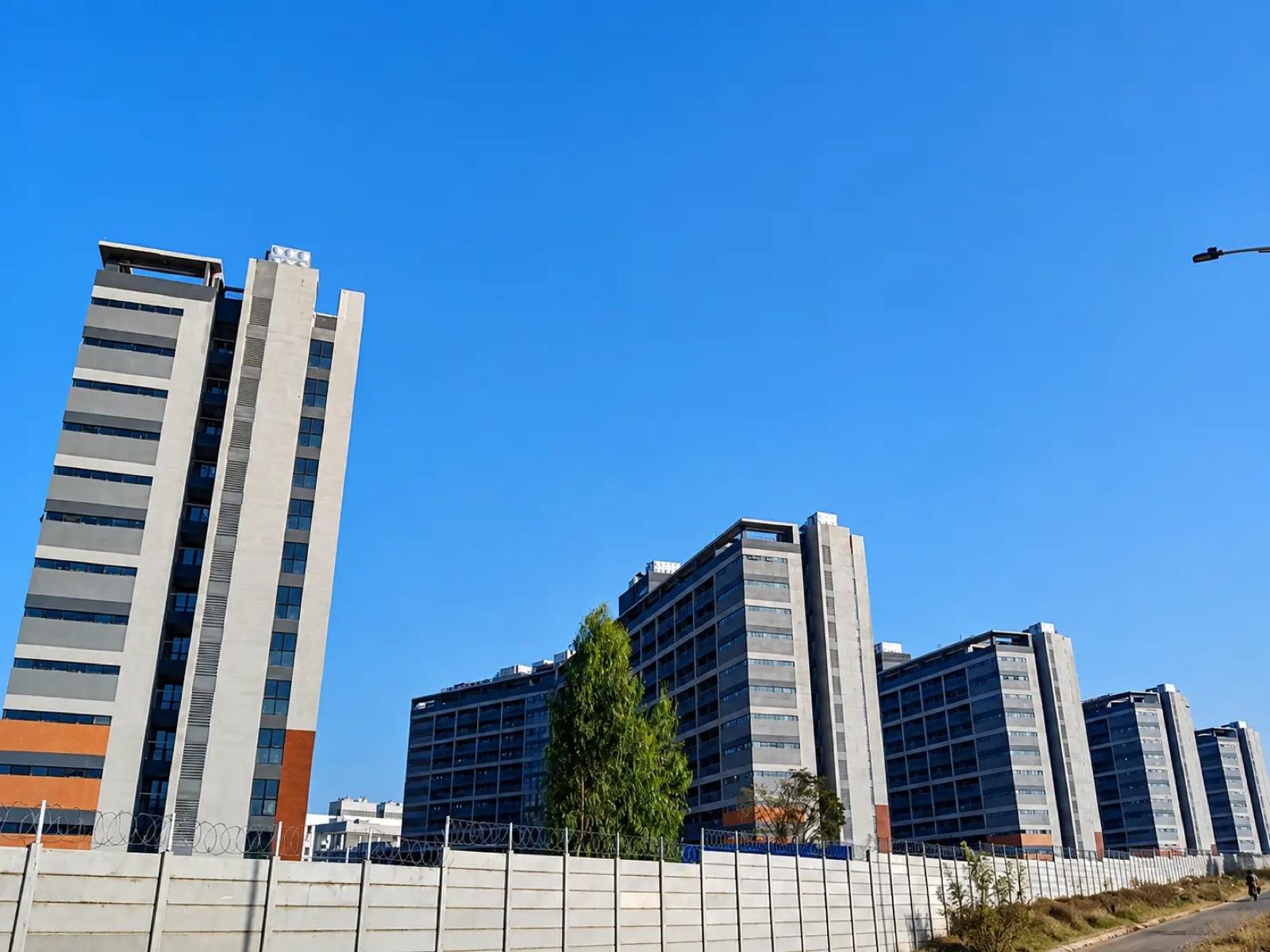
Foxconn, Apple Manufacturing Campus
Bengaluru, Karnataka
HVAC, Firefighting, Electrical, Civil, Industrial BMS, Clean Room, Process Utilities, Precision Piping

INGKA Centre, IKEA
Noida, Uttar Pradesh
HVAC, Firefighting, Plumbing, Electrical, Solar, PNG

Prestige BKC 101
Mumbai, Maharashtra
HVAC, Firefighting, Plumbing, Electrical, BMS, ELV, Complete MEPF
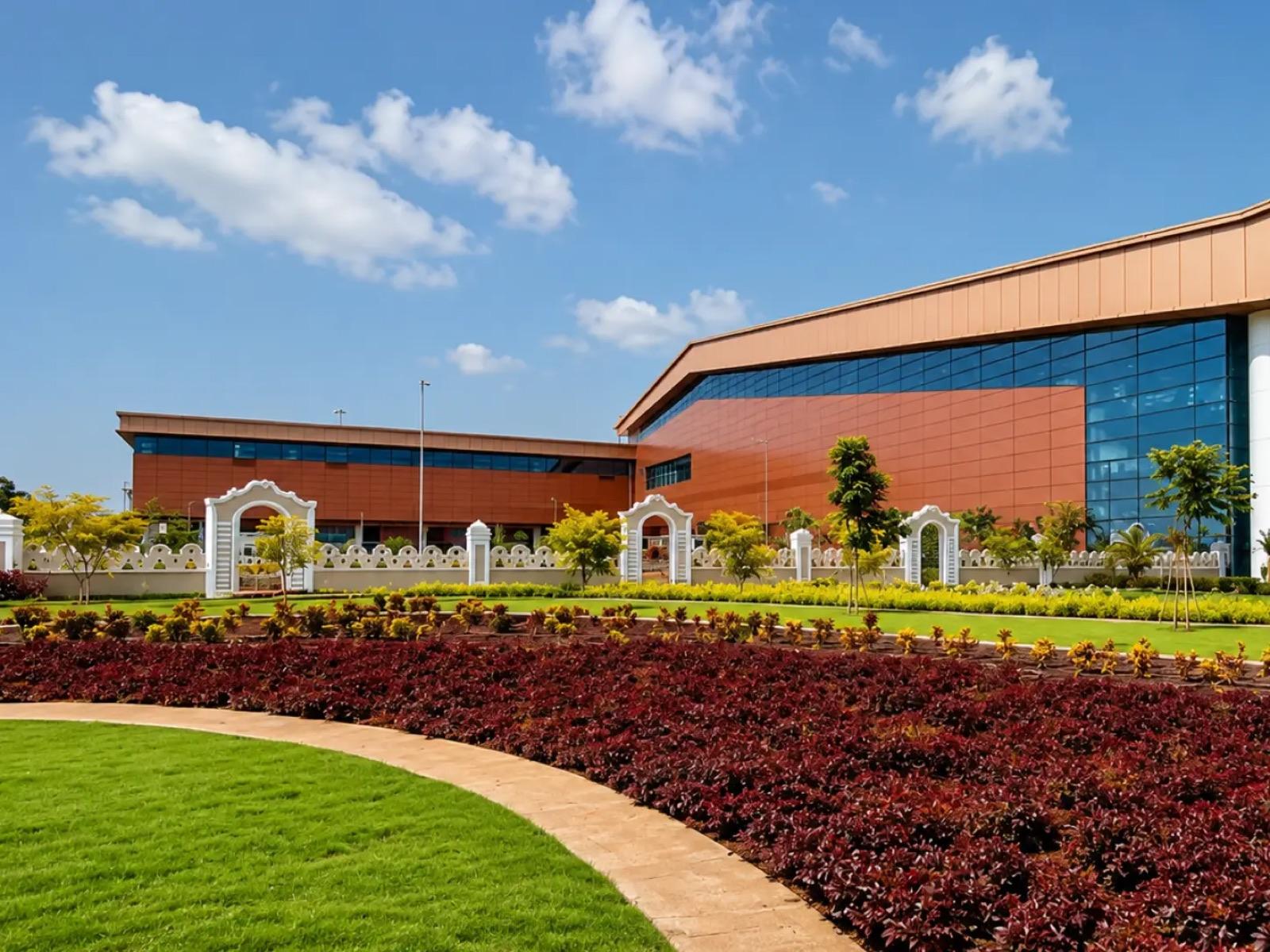
Mopa International Airport
Goa
HVAC, Firefighting, Plumbing, Electrical

Tata Electronics Semiconductor Programme
Dholera, Gujarat and Jagiroad, Assam
MEPF, Infrastructure Piping, Trestle Piping, Civil Infra, Electrical Works, HVAC
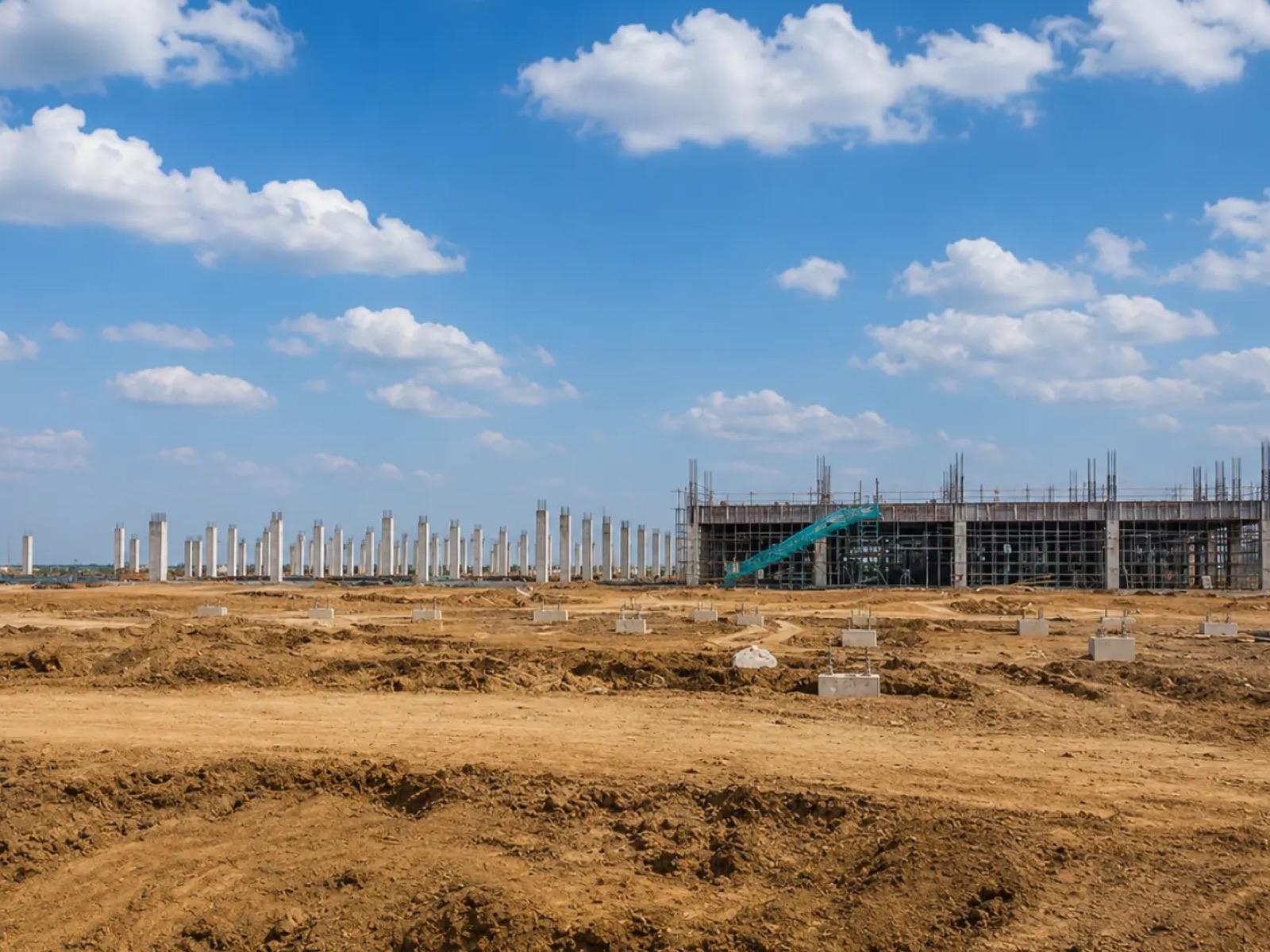
JSW EV Manufacturing Facility
Chhatrapati Sambhajinagar, Maharashtra
Fire Fighting, Electrical, Internal and External Utility Pipelines
Start a conversation